
Criminal Cases in the Martin County Courts
Martin County felony work belongs in the 118th District Court. County-level criminal matters are also filed through the same public counter because the local County and District Clerk performs both roles. The Martin County clerk's office records proceedings and judgments, indexes parties, records executions and returns, and accounts for fines and fees. That combined role is a useful rural-county shortcut. A searcher does not have to locate one office for the district file and another office for the county file.
Fine-only criminal misdemeanors take a different route. The Martin County Justice of the Peace courts divide work between Precincts 1/3 and 2/4. A citation or bench warrant from a JP court may not appear with a district felony. Ask which court issued the citation before assuming that a blank district search means no case exists.
The official JP court view documents this split.
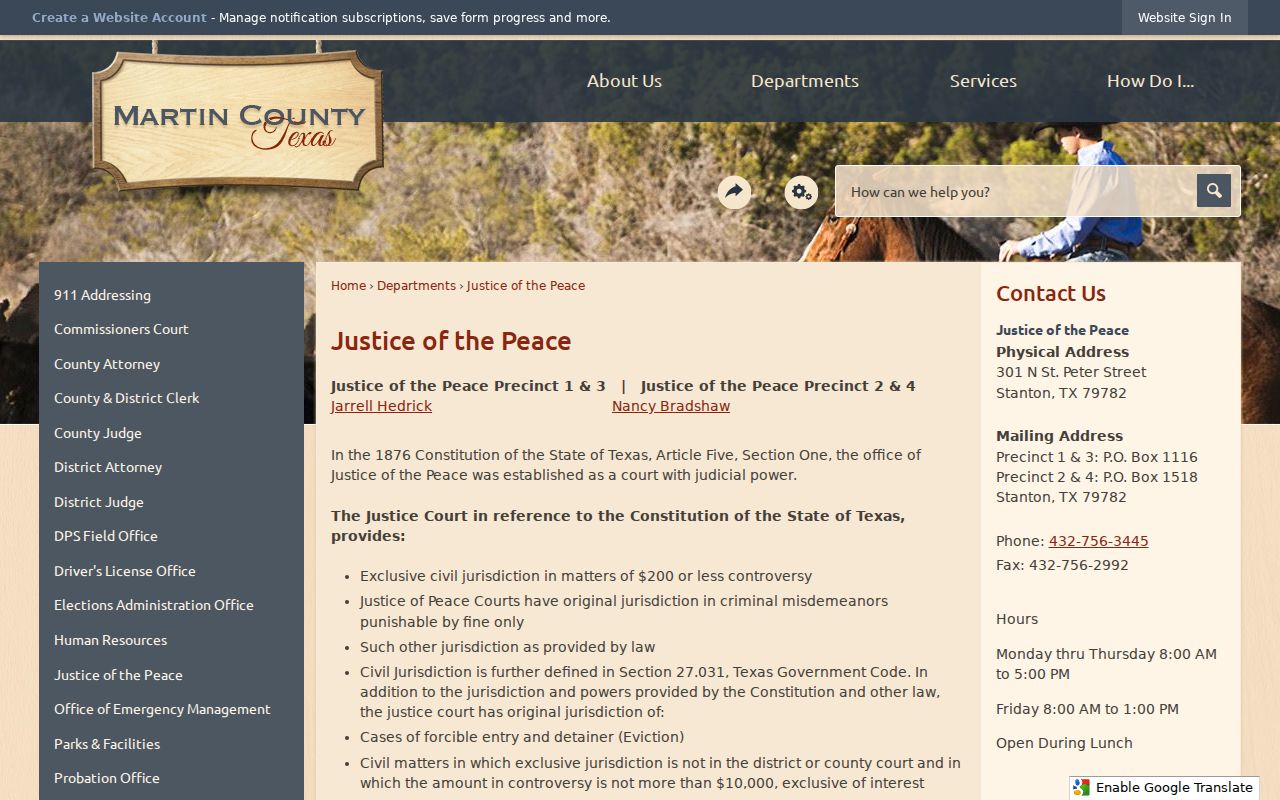
That Martin County page helps route a fine-only matter away from the 118th District Court file path.
Martin County's Combined Court Clerk
Texas permits a county clerk in a small county to take on district-clerk duties unless local voters create a separate post. Martin County uses that combined model. The criminal counter is in the Martin County Courthouse at 301 N. Saint Peter Street, Stanton, TX 79782. Call 432-756-3412. The counter is open Monday through Thursday from 8:00 a.m. to 4:30 p.m. and Friday from 8:00 a.m. to 12:30 p.m.; the county says it stays open through lunch. Mail requests go to P.O. Box 906, Stanton, TX 79782.
Martin County and District Clerk
301 N. Saint Peter Street
Stanton, TX 79782
432-756-3412
Fax: 432-607-2212
Mail: P.O. Box 906
Give the cause number when known. With no number, supply the correctly spelled name and a useful date range. Ask for the docket sheet first. It is the fastest way to identify the charge paper, bond order, plea, judgment, sentence, or dismissal that should be copied next.
How to Search Case Records
The county links LGS Online Record Search, while re:SearchTX supplies a statewide layer. Neither source guarantees that every Martin County criminal document is online. Clerk participation, the chosen module, the user's access level, and restrictions on a file can all affect what appears.
- Start at the clerk-linked LGS landing page and choose the Martin County product or site when that choice is offered.
- Search by cause number for the cleanest match. Otherwise use the party's correct name and a narrow filing-date range.
- Check the court, case type, filing date, and status before treating a same-name result as the right file.
- Open the docket or index and note the filing numbers for the indictment, information, plea, judgment, or dismissal.
- Call or visit the combination clerk to confirm coverage, request copies, and ask whether certification or a document fee applies.
| Search field | Use | Required | Martin County caution |
|---|---|---|---|
| Person or organization | Name text | No, if a case ID is used | Spelling and name variants can change results |
| Case or cause number | Exact identifier | No | Best field when copied from a notice or docket |
| Court or county | Filter | Varies | Select Martin and the correct court level |
| Case type | Filter | No | Availability depends on the portal and account |
| Filing date | Date range | No | Useful for separating same-name cases |
When Martin County Case Search Stops
An online index may prove that a case number and docket exist without exposing the filed pages. Do not infer that a document is unavailable just because no image link appears. Record the cause number, court, filing date, and document title. Then ask the clerk whether the page can be inspected, copied, or certified. Criminal document prices were not found on the county's official page, so confirm the charge before ordering.
The Texas clerk fee provisions give the legal setting for court charges.
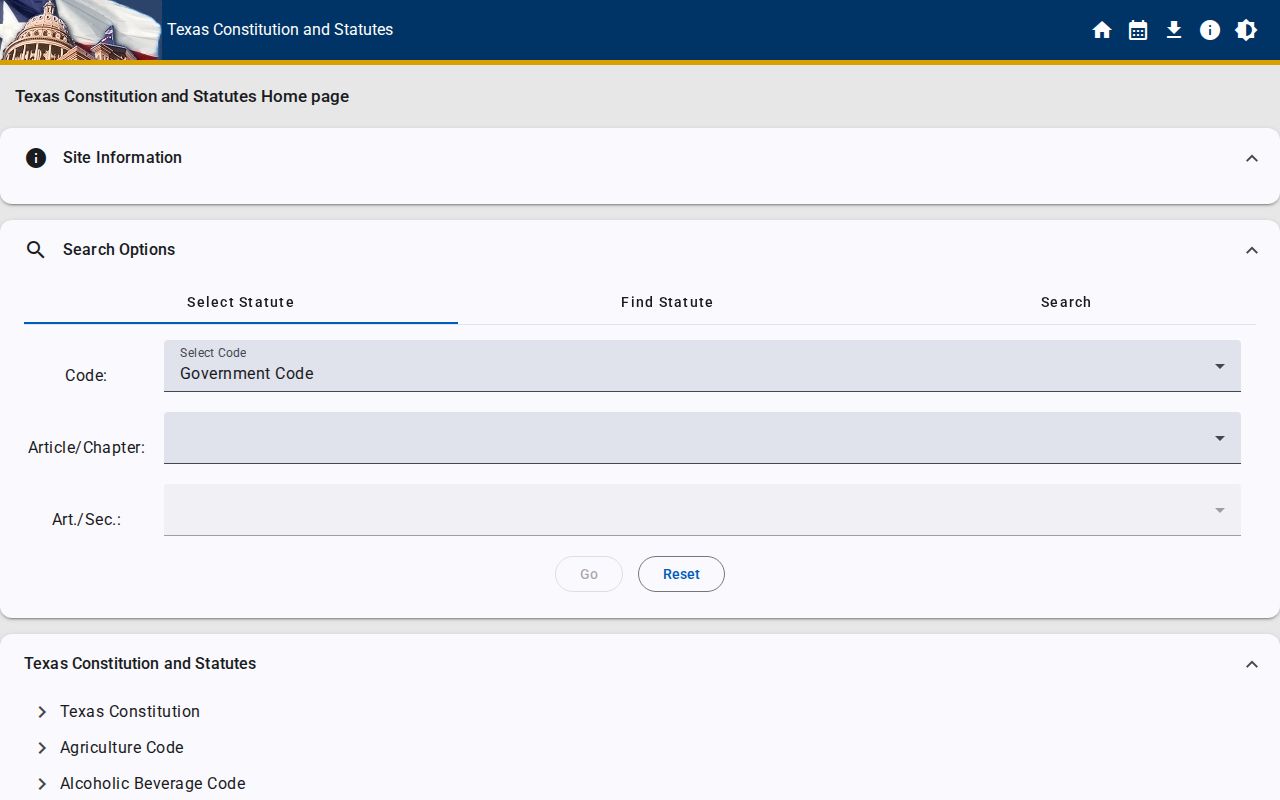
The statute is context, not a Martin County quote. The clerk must still confirm the exact product and current amount.
Older, non-digitized, juvenile, sealed, and expunged files may not appear as ordinary public results. A spelling error or wrong court filter can also hide an open record. Those cases call for a direct counter check, not a broader name search at an unofficial site.
What the Case File Shows
A Martin County criminal case file follows the charge after it is filed. The Martin County docket sheet gives the event sequence. The charging instrument identifies the formal allegation, count, statute, and degree. Orders and hearing entries show what the judge did. The judgment or dismissal supplies the best Martin County proof of outcome. Public financial entries may show court costs, fines, payments, or balances, but access varies.
| Cause number and court | The file's unique number, assigned court, filing date, case type, status, and judge. |
|---|---|
| Charging document | The complaint, information, or indictment with the filed charge, statute, count, and grade. |
| Docket entries | Arraignment, settings, motions, pleas, trial events, and later revocation or adjudication activity. |
| Hearing details | Dates, event type, and courtroom when those details are published. |
| Disposition and judgment | Dismissal, acquittal, deferred adjudication, conviction, or other recorded outcome. |
| Sentence and costs | Custody or community-supervision terms, fines, costs, and public payment data. |
Booking allegations can change before filing. Use the court judgment rather than the original roster label when the question is how the Martin County case ended.
Read a Martin County Docket
Read the entries by date, not as a loose list. A complaint may precede an information or indictment. A capias is a court order directing that someone be taken into custody. An arraignment is the stage at which the filed accusation is addressed and a plea may be entered. Later settings can concern motions, trial, or a negotiated plea. A motion to revoke or proceed to adjudication is an allegation about supervision, not itself a final finding.
- Disposition
- The recorded way the charge ended, such as dismissal, acquittal, deferred adjudication, or conviction.
- Judgment
- The signed court record stating the result and, when applicable, sentence.
- Capias
- A court command to arrest or take a named person into custody.
- Deferred adjudication
- A Texas case result that postpones a finding of guilt while court-ordered terms are completed.
When a Texas Department of Public Safety result lacks a final disposition, obtain a certified Martin County disposition and use the DPS correction process for your own history. The local judgment and the statewide repository entry are related records, not interchangeable copies.
Stages of a Criminal Case
Martin County's court file begins when a prosecutor files a charging instrument. It does not begin merely because the jail logged an arrest. The accused is arraigned, pretrial issues and bond matters are heard, and the case may end through dismissal, plea, or trial. A guilty outcome leads to judgment and sentencing. Later motions or supervision proceedings can add more docket entries.
Case flow: Charges Filed › Arraignment › Pretrial › Plea or Trial › Disposition › Sentencing
That Martin County sequence explains why a recent arrest may have no case number yet. It also explains why an early booking charge can differ from the charge that the 118th District Court ultimately resolves.
Restricted Martin County Court Files
Texas expunction and nondisclosure do different work. An expunction under Chapter 55A can require the return or destruction of qualifying records. A nondisclosure order limits ordinary public release but permits access by agencies and for uses listed in law. Neither order should be inferred from a missing search result.
The Texas Judicial Branch forms collection includes official nondisclosure materials.

Martin County filers should confirm the current form, venue, service steps, and locally accepted filing format with the combination clerk.
The Texas expunction law sets the governing framework.
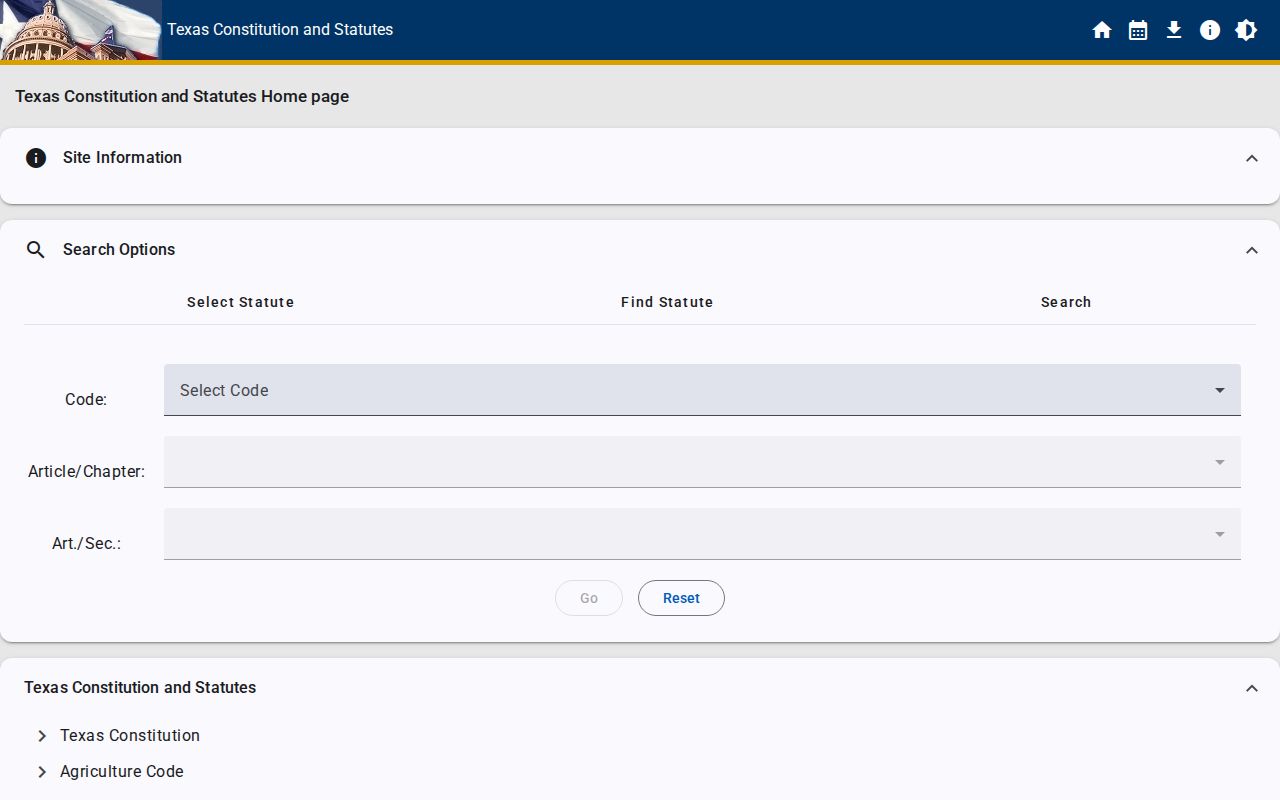
Eligibility depends on the charge, result, timing, and statutory exceptions. A dismissal alone does not prove that a Martin County record qualifies.
Access & Restrictions
Court access is governed by judicial-record rules, statutes, and sealing orders, not only by the Texas Public Information Act. Juvenile information, victim data, sensitive identifiers, sealed material, and expunged records may be withheld or redacted. Online access can be narrower than inspection at the counter, yet the paper file is not a way around a valid restriction.
Access point: Ask the Martin County clerk whether the result is an index only, whether the desired page is public, and what copy or certification charge applies.
For an open file that does not appear online, call 432-756-3412 or visit the courthouse counter. The county's official quick links also route readers to approved court resources. For a filed outcome, request the judgment or dismissal by cause number. For broader context, the Martin County criminal history overview separates court, jail, and DPS channels. A blank portal screen cannot prove that an event never occurred.
Note: Certified court dispositions are the strongest local source for confirming how a filed Martin County charge ended.